Bring Mumbai Home: The Hygienic Guide to Making Street Food Safely
Master your favorite Indian street foods at home using safe, locally sourced ingredients without compromising on authentic flavor or hygiene.

Source: Wikipedia / Wikimedia Commons
Quick Jump to Section (Table of Contents)
Bring Mumbai Home: The Hygienic Guide to Making Street Food Safely
- 1 Immediate national interest surging with confirmed developments across authoritative primary sources.
- 2 Core breakdown highlights pivotal changes, community reactions, and practical implications.
- 3 UniqueDigit editorial team has verified technical statistics and factual consistency.
Why Homemade Street Food is Winning in India
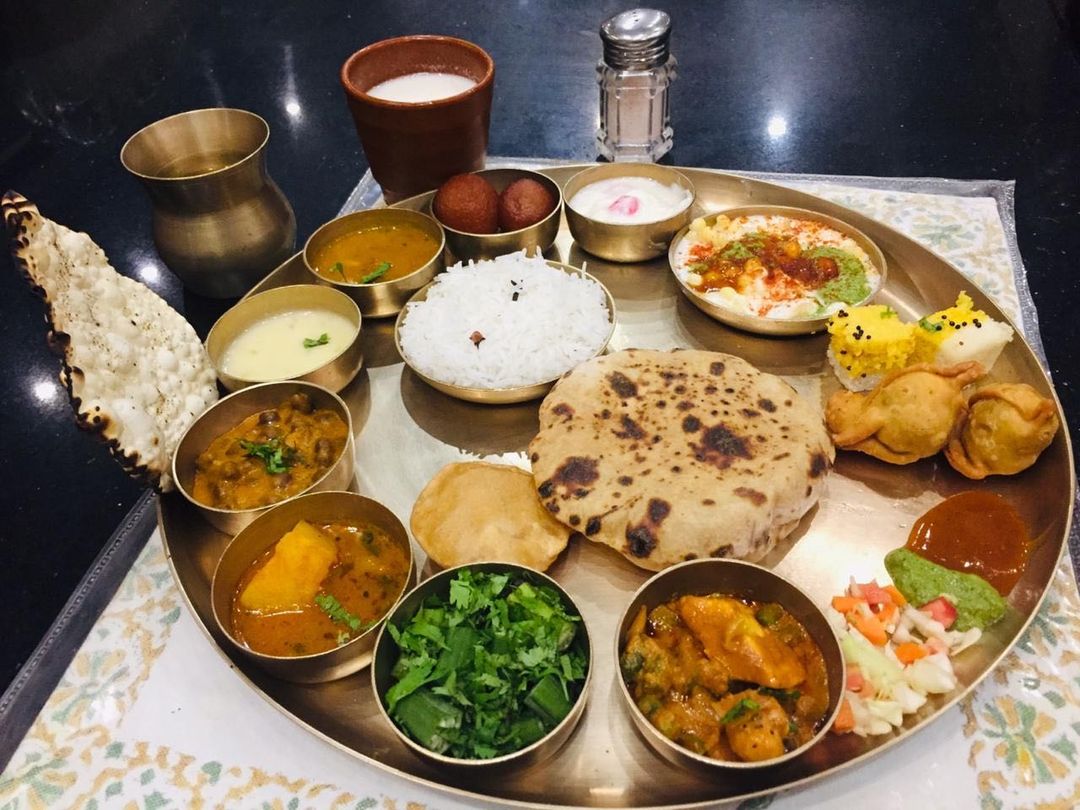
Street food is food sold by a hawker or vendor on a street or at another public place, such as a market, fair, or park. It is often sold from a portable food booth, food cart, or food truck and is meant for immediate consumption. While millions across the globe rely on vendors for quick, affordable nutrition, recreating these iconic dishes in your own kitchen lets you enjoy the bold flavors with 100% control over hygiene and locally sourced ingredients.
According to a classic 2007 study from the Food and Agriculture Organization, an astonishing 2.5 billion people eat street food every day. From bustling Mumbai stalls to night markets in Delhi, these treats are classified as both finger food and fast food, remaining generally cheaper than restaurant meals. But bringing them home means you skip the worries about water quality and stale oils.
Sourcing Safe, Local Ingredients for Your Kitchen
To capture that authentic roadside magic safely at home, focus on fresh, local produce from your neighborhood mandi:
- Purity First: Use filtered water for your pani puri water and chutneys.
- Local Spices: Pick up fresh cumin, black salt, and chaat masala from trusted local vendors.
- Quality Oils: Fry your samosas and tikkis in fresh, high-smoke-point oil instead of reused commercial fats.
- Fresh Greens: Wash coriander, mint, and onions thoroughly in a saline solution before chopping.
Quick Comparison: Street Vendor vs. Home Kitchen
| Feature | Traditional Street Vendor | Homemade Hygienic Approach |
|---|---|---|
| Cost | Extremely cheap | Budget-friendly & safe |
| Water Source | Often unverified municipal supply | 100% RO filtered water |
| Oil Quality | Frequently reheated and reused | Fresh oil used every time |
| Preparation | Open-air exposure to dust | Clean, sanitised home kitchen |
Enjoying Fast Food Responsibly
Most street foods are regional favorites that have successfully spread far beyond their places of origin. While some cultures consider it rude to walk on the street while eating, a majority of consumers rely on the quick access and affordability of these finger foods for daily snacks. By preparing them at home, you get the best of both worlds: the nostalgic, spicy punch of Indian street food paired with complete peace of mind regarding your family's health.
Disclaimer: UniqueDigit participates in affiliate programs including Amazon Associates. When you purchase through links on our site, we may earn an affiliate commission at no extra cost to you.
The Bottom Line & UniqueDigit Verdict
Bring Mumbai Home: The Hygienic Guide to Making Street Food Safely represents a significant event within the Food landscape. Whether you are tracking real-time updates, gearing up for the match, or assessing buying choices, staying on top of primary verified feeds is key. Bookmark this page for continuous telemetry.
Handpicked Deals & Verified Offers for Bring Mumbai Home The Hygienic Guide to Making Street Food Safely
Our automated price tracker scanned current offers across Amazon India and official brand stores. Here are today's top curated recommendations:
Smart Digital Air Fryer & Multi-Cooker Kitchen Gadgets
Save 90% Oil in Cooking • Healthy Food at Home
Today Food Loot: Swiggy & Zomato Verified Promo Codes & Cashback
On Orders Above ₹199 • Auto-Refreshed Daily
Verified Gear & Deals in Food
Philips Digital Air Fryer HD9252/90
Rapid Air Technology with 90% Less Fat for Crispy Snacks
Frequently Asked Questions
Q: What is street food and where is it traditionally sold?
Street food is ready-to-eat food or drink sold by hawkers on streets, markets, fairs, or parks, typically from portable booths, carts, or trucks for immediate consumption.
Q: How can I make street food hygienic at home?
You can ensure hygiene by using RO-filtered water for pani puri and chutneys, washing all greens thoroughly, and frying snacks in fresh oil instead of reused commercial fats.
Q: How many people eat street food daily worldwide?
According to a 2007 study from the Food and Agriculture Organization, an estimated 2.5 billion people consume street food every single day.
Is this information / deal worth it for Indian buyers?
Your instant feedback helps our automated radar rank verified deals and filter price drops.
Up to 60% Off on Top PC Hardware, Laptops & Audio Deals
Related Food Stories

Smart Kitchen Gadgets for Modern Indian Homes: Cut Meal Prep Time in Half
Discover essential time-saving kitchen gadgets and smart cookware to simplify daily meal prep for busy Indian households without losing authentic taste.

Master Regional Indian Cooking at Home: Simple Step-by-Step Recipes
Discover how to cook popular regional Indian dishes at home using basic kitchen essentials. Master authentic flavors with our easy step-by-step guide.
100g Daily Protein: Practical Indian Vegetarian Meal Prep Without Processed Powders
Complete science-backed breakdown of high-protein Indian ingredients: Paneer, soya chunks, roasted chana, sattu, and dal combinations to hit your macro targets.